¿Qué es la neurodiversidad?
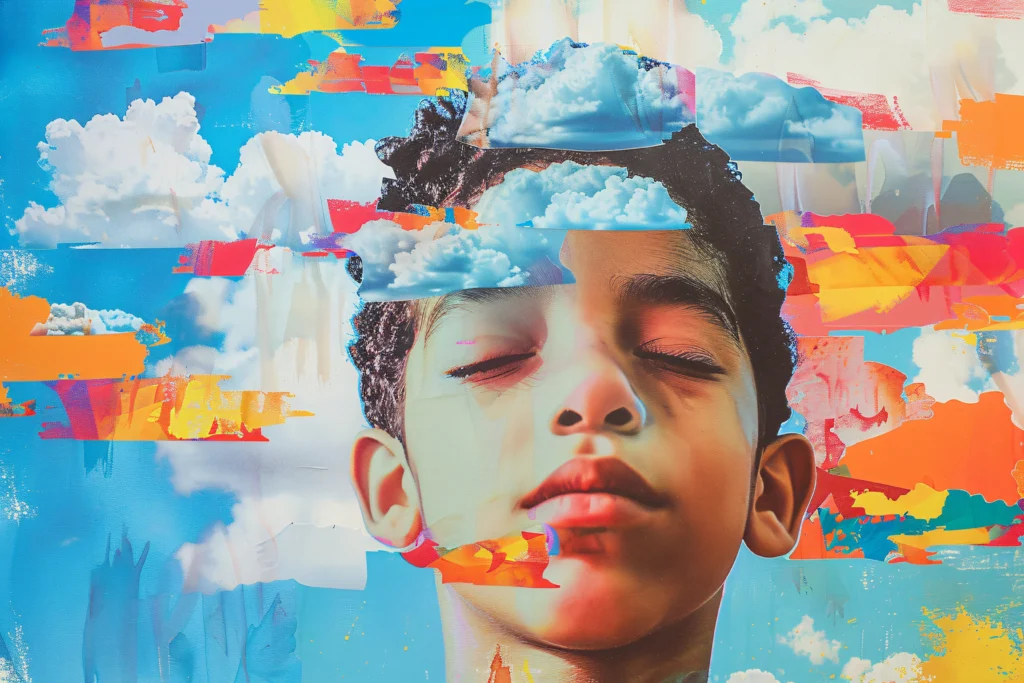
Neurodiversity is a perspective that recognizes that the human brain can function in diverse ways, and that these differences are a natural part of human variety—not flaws or abnormalities that need to be “fixed.”
Knowledge Hub
This approach does not deny that some people need support; what it proposes is to start from a position of respect, dignity, and inclusion, rather than from outright pathologization.
Why is this change in approach important?
In many clinical settings—doctors' offices, hospitals, medical education—a traditional biomedical approach is still observed, focused on “symptoms” and rigid diagnoses, without considering the real experiences of neurodivergent people.
An inclusive approach involves:
- Listen to each person's subjective experiences.
- Assess strengths and challenges without stigmatizing.
- Integrate reasonable accommodations into medical care.
- Ensure that research also includes neurodivergent voices.
This transformation is not only an ethical ideal, but also improves the quality of care and health outcomes for everyone.
Current challenges in clinical practice
Some of the challenges that persist in medicine are:
- Communication barriers between patients and professionals.
- Stigmas and prejudices about what it means to be neurodivergent.
- Lack of medical training on neurological variations from an integrative perspective
This can lead to care experiences that do not respect people's real needs, affecting their well-being.
How can we move toward inclusion?
Emerging perspectives highlight that:
- Neurodiversity must reshape medical training to include content on neural diversity.
- Clinical practices should be individualized and person-centered, not just based on diagnostic manuals.
- Healthcare institutions should promote cultures that recognize and value differences, both among patients and within the healthcare team itself.
For example, a professional with attention deficit hyperactivity disorder (ADHD) or autism could bring valuable perspectives to healthcare teams if the environment is designed to accommodate cognitive diversity.
Include neurodivergent voices
A key point that highlights neurodiversity is that those directly affected must be at the decision-making table:
- In the education of health professionals
- In clinical research and public policy
- In the design of healthcare services
This means moving from “talking about neurodivergent people” to talking with them—a fundamental step toward more inclusive and humane medicine.
Towards more humane care
Neurodiversity does not seek to deny the value of medicine, but rather to complement it with a perspective that:
- Respect the diverse experiences of bodies and minds.
- Integrate scientific evidence with people's experiences.
- Develop practices that not only “improve symptoms” but also optimize quality of life.
This paradigm shift—from a pathology-centered model to a person-centered one—has the potential to transform not only clinical care, but also training, research, and the institutions themselves.
Neurodiversity in medicine is more than just a word: it is an invitation to rethink how we provide care, how we train professionals, and how we design healthcare systems that support human diversity in all its richness.
Because inclusion does not mean adapting everyone to a single standard, but rather recognizing that there are many different types of human beings—and that they all deserve respect, consideration, and quality care. And that is my greatest commitment: to offer pediatric care that is aligned with this principle.
Based on:
Espina Rodas MC, Acosta España JD. Emerging perspectives on neurodiversity: moving toward inclusive practices in the medical field. Rev Latam Psychiatry. 2025;24(1).